Optimal Conditions for Concrete Leveling
Concrete levelings are most effectively performed during specific weather conditions to ensure proper curing and long-lasting results. Temperature, humidity, and ground moisture levels significantly influence the success of the process. Understanding the optimal timing can help prevent issues such as cracking, shifting, or uneven settling.
Concrete leveling is best done when temperatures are between 50°F and 85°F. Cooler or hotter conditions can affect the curing process and the adhesion of leveling materials.
Moderate humidity levels support proper curing. Excessive dryness or dampness can impact the effectiveness of the leveling process.
Spring and fall typically provide favorable weather conditions for concrete levelings, avoiding extreme cold or heat.
Scheduling during a period of stable weather with no rain or frost is crucial for successful results.
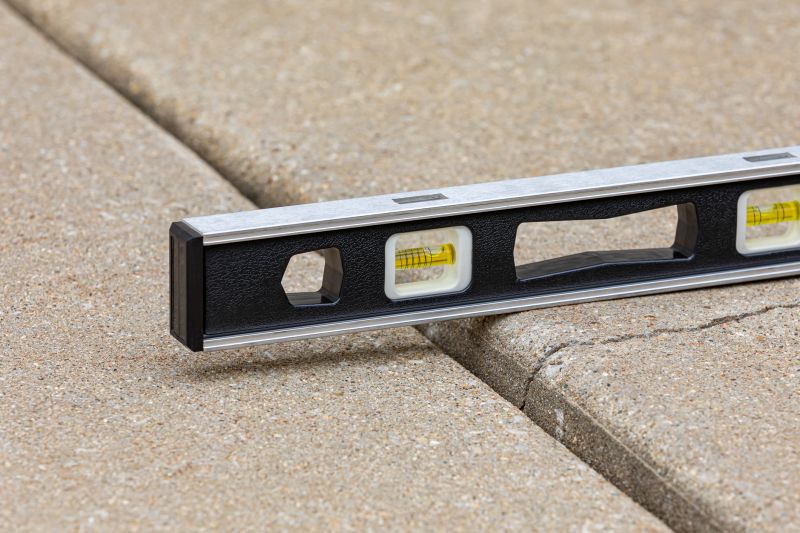
Spring offers moderate temperatures and ideal conditions for leveling projects.
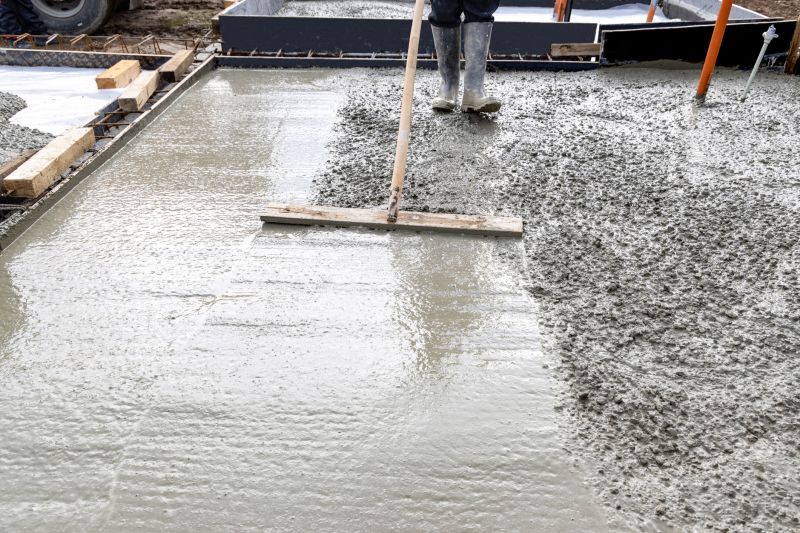
Early summer can be suitable if temperatures are controlled and humidity is manageable.
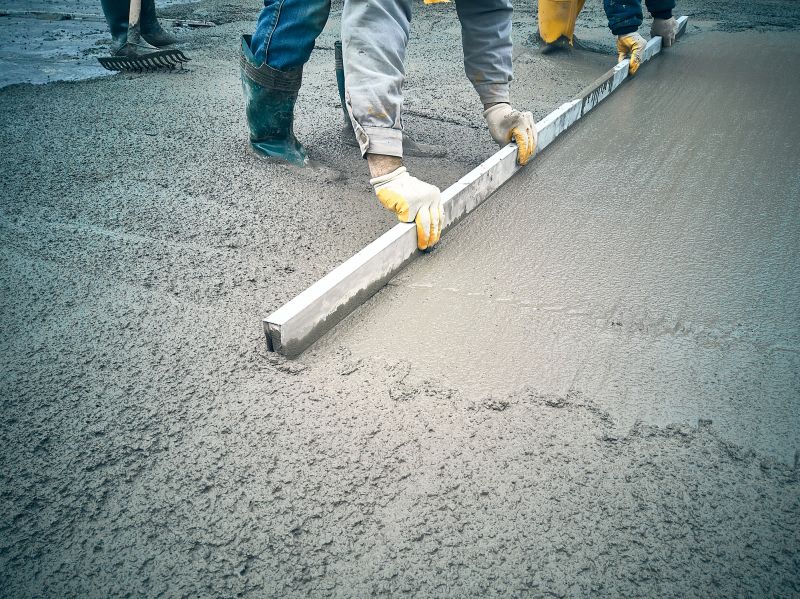
Fall provides cooler weather and lower humidity, making it a preferred time for concrete work.
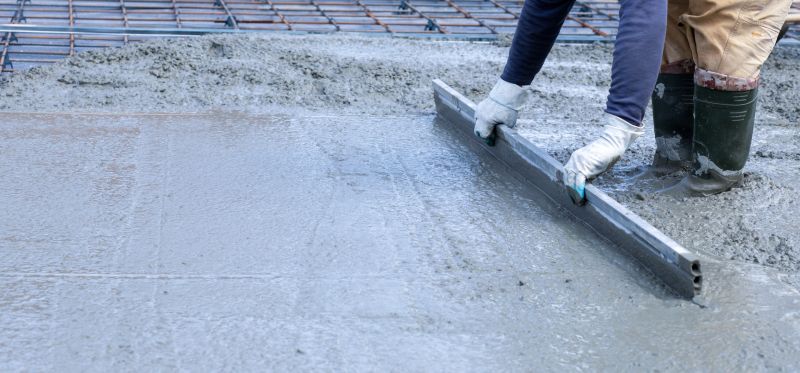
Ways to make Concrete Levelings work in tight or awkward layouts.
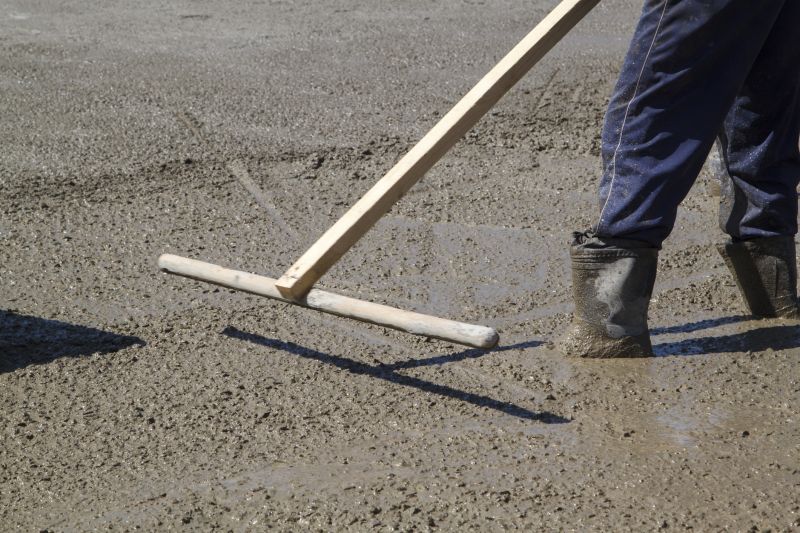
Popular materials for Concrete Levelings and why they hold up over time.
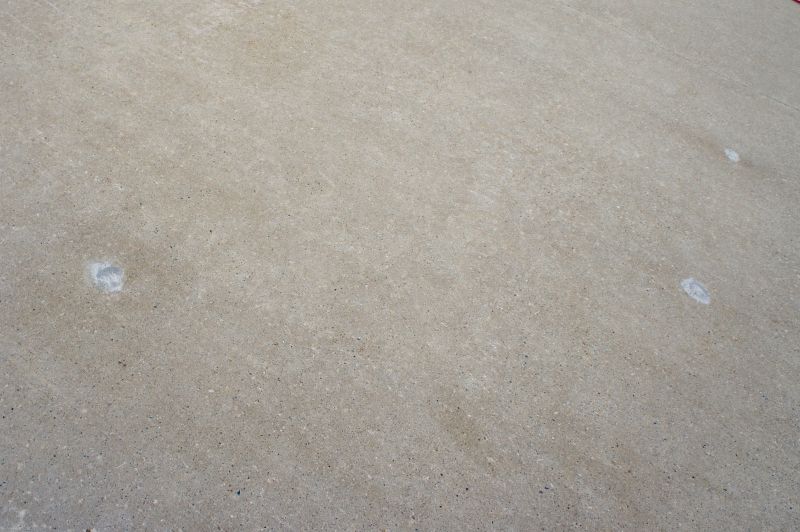
Simple add-ons that improve Concrete Levelings without blowing the budget.
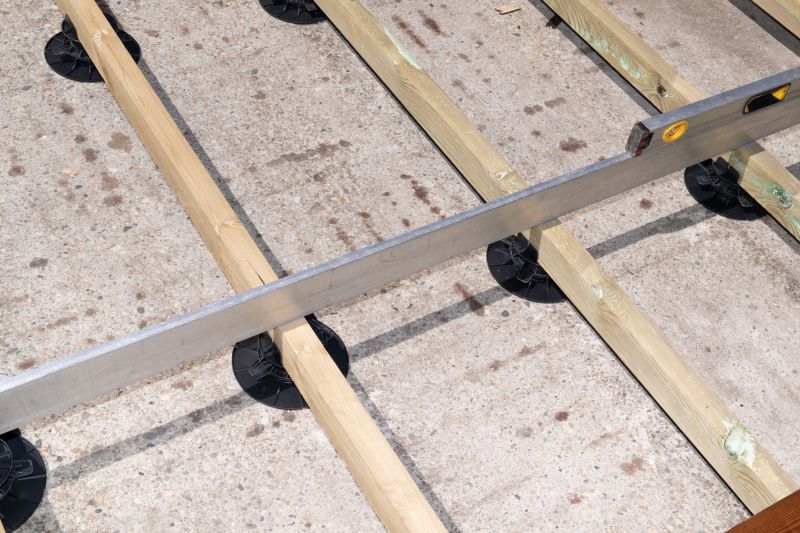
High-end options that actually feel worth it for Concrete Levelings.
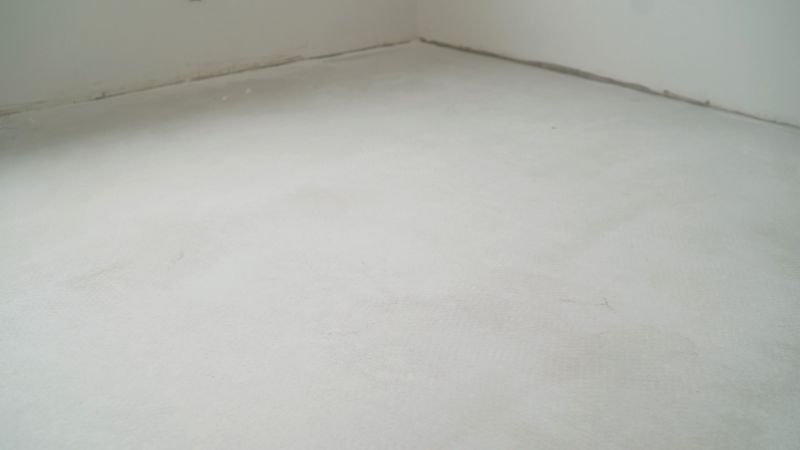
Finishes and colors that play nicely with Concrete Levelings.
| Optimal Conditions | Details |
|---|---|
| Temperature | Between 50°F and 85°F |
| Humidity | Moderate levels support curing |
| Precipitation | No rain or frost during scheduling |
| Ground Moisture | Dry ground preferred |
| Season | Spring and fall are ideal |
Concrete levelings are a cost-effective and efficient solution for correcting uneven surfaces caused by ground settling or minor shifts. The process involves injecting a specialized mixture beneath the slab to raise and stabilize it, restoring a smooth, level surface. Proper timing ensures the longevity and effectiveness of the repair, preventing future issues and reducing maintenance costs.
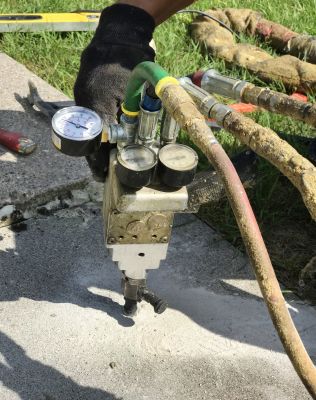
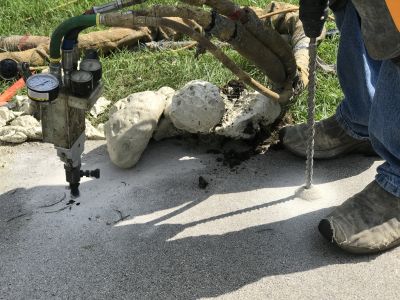
Specialized tools and materials are used during the leveling process to ensure precision.
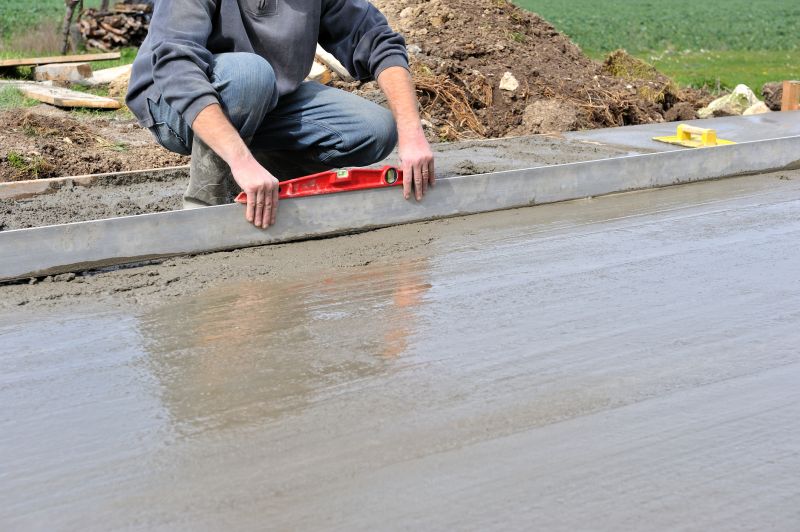
Visual evidence of the effectiveness of proper timing in concrete leveling.

Images depict suitable weather for scheduling concrete levelings.

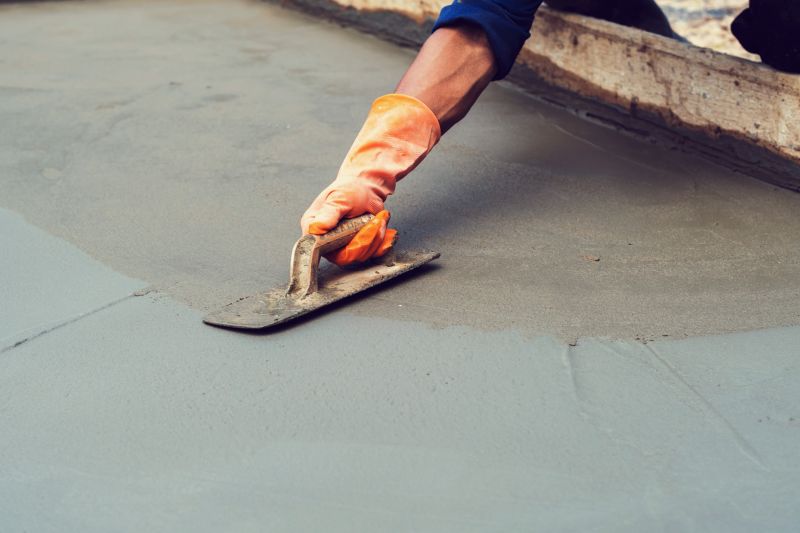
Preparing the surface during optimal conditions enhances results.
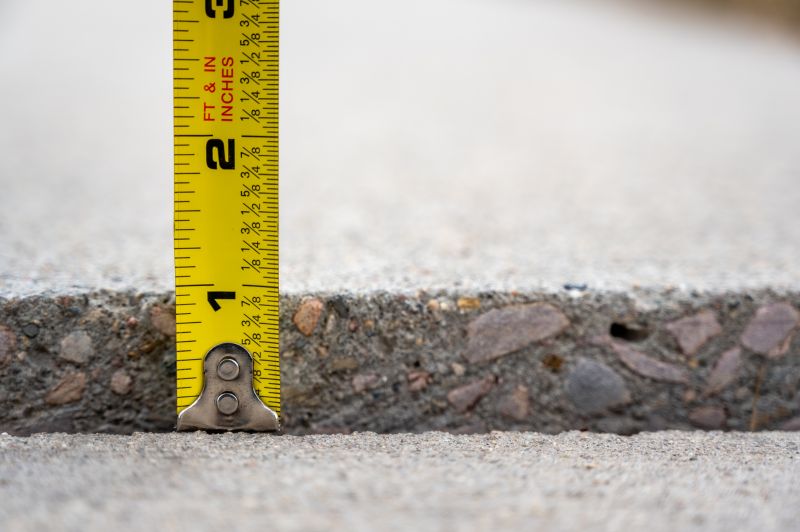
Little measurements that prevent headaches on Concrete Levelings day.
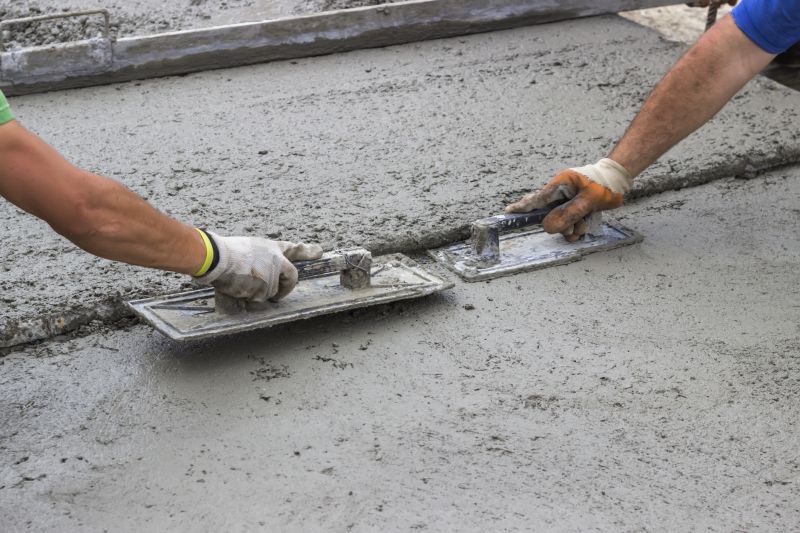
A 60-second routine that keeps Concrete Levelings looking new.
A frequent mistake in Concrete Levelings and how to dodge it.
Small tweaks to make Concrete Levelings safer and easier to use.
Scheduling concrete levelings during the appropriate weather conditions can significantly impact the durability and appearance of the finished surface. It is advisable to monitor weather forecasts and plan projects during periods of stable, moderate weather to achieve the best results. Proper timing minimizes the risk of future settling, cracking, or uneven surfaces.